
Bicentennial Man (1999) Review: Ranking Robin Williams’ 200-Year Robot Journey
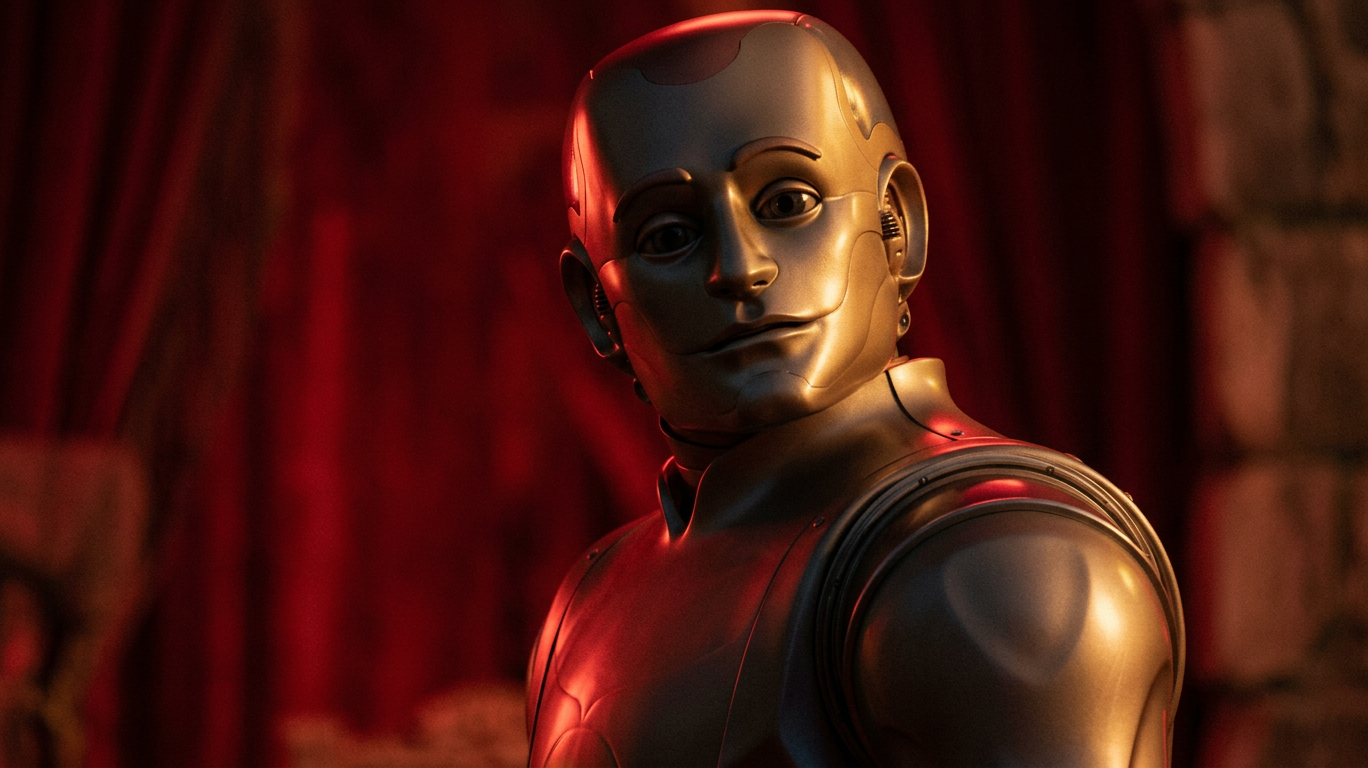
Is Bicentennial Man (1999) a good movie?Bicentennial Man is a sweeping but emotionally hollow 1999 sci-fi drama. While it tackles massive themes of humanity and features a perfect 5-star performance from Robin Williams, the film's frustrating script places it near the bottom of our ultimate movie ranking and review.
The Premise: What is Bicentennial Man About?
Purchased by the Martin family in the early 2000s, Andrew is a household robot who begins displaying creativity, emotion, and curiosity far beyond his programming. Over the course of two centuries, he embarks on a journey of self-discovery, upgrading his mechanical body, pursuing freedom, falling in love, and fighting for legal recognition as a human being. As generations pass, Andrew struggles to understand what it means to age, love, and die, ultimately seeking acceptance not as a machine, but as a person.
(Outside Knowledge Note: Directed by Chris Columbus—who previously worked with Williams on Mrs. Doubtfire—the film is based on the novel "The Positronic Man" co-written by legendary sci-fi author Isaac Asimov. Despite its massive scope and legendary source material, the movie was a box-office disappointment).
What Works: A Flawless Android Performance
Playing a sentient robot is an incredibly difficult task. You have to portray complex emotions while remaining physically robotic, balancing genius-level intellect with a naive understanding of the world. Robin Williams does a genuinely strong job navigating this, delivering a nuanced portrayal of a machine slowly learning to be human.
What Doesn't Work: "Show, Don't Tell"
Unfortunately, the script severely restrains Robin Williams, never giving his humanity a true chance to shine. The film has a terrible habit of breaking the fundamental storytelling rule of "show, don't tell". Early on, characters constantly marvel at how "special" and "different" Andrew is, but because the film never shows us any other standard household robots to establish a baseline, the audience is forced to just take their word for it.
Furthermore, the film jumps across so many locations and time periods that learning about this world becomes exhausting. Instead of letting the audience feel the emotional weight of these centuries passing, characters just explain why things are important. Even the film's allegory for same-sex marriage—a major hot-button topic in 1999—is handled without any real emotion. Ultimately, it fails to do anything new or interesting with the "sentient robot" trope compared to stories like Blade Runner or The Iron Giant, outside of bizarrely questioning whether it is ethical to give a robot a human penis.
The Robin Williams Ranking & Performance Score
Robin Williams Performance Score: ⭐⭐⭐⭐⭐ (5/5 Stars) It is hard to play a character that is robotic yet full of emotion, but Robin does a fantastic job with the role. He easily earns a 5-star performance.
Good Mourning Robin Ranking: When placing this in our ongoing ranking, it sits very close to the bottom. I am placing it just above FernGully, simply because it at least spares us from having to endure a rapping bat.
FAQ: Bicentennial Man (1999) Movie
What is the movie Bicentennial Man about? The film follows Andrew, a household robot who, over the course of 200 years, develops emotions, upgrades his body, and fights for legal recognition as a human being.
Who directed Bicentennial Man? The film was directed by Chris Columbus, who also directed Robin Williams in the legendary comedy Mrs. Doubtfire.
Is Bicentennial Man based on a book? Yes, the movie is based on the 1992 novel The Positronic Man, co-written by sci-fi legends Isaac Asimov and Robert Silverberg.
Why do reviewers critique Bicentennial Man? In our review, we note that the script relies far too heavily on exposition rather than letting the audience feel the emotion, constantly breaking the rule of "show, don't tell".
How does Robin Williams' performance rank in Bicentennial Man? He earns a perfect 5-star score for his ability to expertly balance the rigid physicality of a robot with the emotional depth of a being desperately wanting to be human.
